

For learnersGetting started
Tennis, padel or squash for beginners
Tennis, padel or squash for UK beginners this winter: learning curve, indoor courts, kit, a named venue example, and how to choose.

In this guide
← For learnersNone of the three is automatically the easiest. For a UK winter, squash is usually played indoors, so rain and early darkness matter less, and the LTA describes the basic skills of padel as easy to learn on an enclosed doubles court. Tennis is widely taught, but after-work play often needs a floodlit or indoor court.
This is a comparison for adult beginners in the UK, not a claim that one sport is best for everyone. Any prices below are dated examples from a named venue page, not national rates.
Which racket sport is easiest for an adult beginner?
The LTA's Tennis Xpress course is "a structured six-week beginner tennis course for adults". It runs over six weekly sessions covering the main strokes, serving, rallying and basic scoring. The LTA says that "by the end of the course, you will be ready to serve, rally and understand the scoring system". That is a clear first target, but only if you can reach a court each week through the darker months.
Padel is usually played as doubles on an enclosed court, 20m by 10m, with glass and mesh walls you can use after the ball has bounced. Serves are underarm. The LTA says padel "is often described as a mix between tennis and squash", is "suitable for anyone to play" and that "it’s easy to learn the basic skills". Singles is possible, but most social play is in fours, and you cannot play padel on a tennis court.
Squash is typically a singles game in a four-walled indoor court at a leisure centre, club, university or school. England Squash points beginners to leisure centres if they want to "pay each time you book a court". Beginners are usually started on a bouncier ball. The closed space keeps the ball in play, but the rally can feel quick until a coach slows it down.
None of that crowns a winner. If you already play a little tennis, padel may feel familiar. If you want a short session that does not depend on daylight, squash often fits more easily. If you want a widely available outdoor game later in the year, tennis may be the better long-term fit.
How do winter weather and indoor courts change the choice?
In the UK the clocks went back on 25 October 2026. After-work outdoor tennis now needs floodlights, and rain or a wet court can stop play. The LTA notes that "Winter in Britain may bring rain, wind and in some areas, snow", and says to "book a floodlit court so you can enjoy playing for longer". It also stresses a proper warm-up in the cold.
Indoor tennis exists, but it is not everywhere. The LTA's Community Indoor Tennis Centre network "consists of 52 indoor tennis centres with over 300 indoor and 250 outdoor courts". Park and club courts are more numerous; in winter they depend on floodlights and a playable surface. For indoor, dome and floodlit options, see our guide to tennis in winter in the UK.
Padel courts are found at clubs, parks, leisure centres and indoor centres. An LTA news page dated 15 May 2026 reported "1,000,000 adults and juniors playing padel across the country at 1825 courts across 551 venues". Not every court is indoor, so check whether yours is fully indoor, covered or open before you book a winter slot.
Squash courts are, in the main, indoor rooms, so a wet evening is less likely to cancel the booking. You still need a vacant court at a busy leisure centre.
What kit do you need for a first session?
You rarely need to buy everything first. For tennis, a coach or venue can often lend a racket and use "specially modified equipment such as slower-bouncing balls". Court shoes matter more once you play regularly, especially on a damp outdoor court.
For padel, the LTA says: "To play padel, all you need is a bat and a ball." Most venues "will have padel bats and balls available for you to hire". It suggests a round bat for beginners. You can wait until after a few sessions to buy your own.
For squash, England Squash says you "just need a racket, a ball, and some comfortable sports clothing". Its Play Squash guide (1 June 2026) says you do not need "expensive kit, specialist shoes or your own racket to have a go". Wear clean, non-marking trainers if the venue asks. Eye protection "is strongly recommended for all players, juniors and adults" in training, and it is mandatory in junior competition and in doubles competitions. Ask before you arrive. Our squash lessons guide has first-lesson kit notes and named court-fee examples.
How do you book a court or a first lesson?
Tennis courts and adult lessons can be found through LTA Play, club receptions and coach profiles. Tennis Xpress is offered as a six-week course at venues that run it.
Padel is usually booked as a court for four, or as a beginner group that places you with other players.
Squash is often a pay-as-you-play leisure-centre booking, or a club membership. England Squash says there are "more than 4,200 courts across England" and "more than 700 registered clubs", and that a leisure-centre court "costs under £10 to hire a court for 40 mins on average". That average is the governing body's own figure, not a price checked at a named desk today.
A lesson helps in every sport: a coach can loan kit, choose a suitable ball, and keep the session moving.
If you finish work after dark, what might a first week look like?
Suppose you finish work as it is getting dark and you want one trial session this week. You need the local court type and a published price, not a made-up character.
Lexus Nottingham Tennis Centre is a useful worked example because it publishes tennis and padel options on one site. The homepage, checked on 10 November 2026, says it has "15 covered courts" for tennis and "three covered Padel courts", and that "Our Padel courts are covered so no matter the weather, the fun doesn’t have to stop." Its prices page, last updated on 1 July 2026 and checked the same day, lists:
- outdoor tennis, £12 an hour
- indoor tennis, £30 an hour at peak (weekdays 5pm–9pm) and £20 an hour off-peak for adults
- padel courts, £36 an hour, with racket hire at £2.50
- an Introduction to Padel Social session at £9 an hour, "includes equipment if required"
If you only have a weekday evening after 5pm, the outdoor tennis price is less useful after the clocks have gone back, unless the court is floodlit and dry. The indoor hour at £30, or the £9 introductory padel session if a place is available, is the more realistic first try here. A squash court at a nearby leisure centre would be a third option, priced on that centre's own list.
This is one venue, on one date. For a wider set of padel lesson examples, see how much padel lessons cost in the UK.
How should you choose: tennis, padel or squash?
Pick tennis if you want a clear beginner pathway such as Tennis Xpress, you are happy to use floodlit or indoor courts until spring, and you may later play singles or doubles on park or club courts.
Pick padel if you like the idea of doubles from the first session, you want an enclosed court with an underarm serve, and you have a covered or indoor court you can reach on a wet evening.
Pick squash if you want a short indoor session that does not depend on daylight or extra players, and you are willing to learn on a bouncier beginner ball with recommended eye protection.
| Tennis | Padel | Squash | |
|---|---|---|---|
| First learning path | LTA Tennis Xpress: six weekly adult sessions | Beginner groups or coached sessions; underarm serve, walls after a bounce | Beginner sessions or a private lesson; start on a bouncier ball |
| Winter and weather | Outdoor play needs a dry, ideally floodlit court; indoor centres are fewer | Check indoor, covered or open courts; covered courts can run in rain | Usually an indoor court, so weather is less likely to cancel play |
| Who you need | Singles or doubles | Usually four players, unless you join a group | Usually two players |
| Kit to start | Venue or coach racket; slower balls help | Venues often hire bats and balls | Venues often lend a racket; eye protection is strongly recommended |
| Example venue cost (Lexus Nottingham, 10 Nov 2026) | Indoor peak hour £30; outdoor hour £12 | Court hour £36; intro social £9, equipment included if required | Not listed on this tennis-centre page; see a local leisure centre or our squash guide |
Table: how tennis, padel and squash compare for an adult beginner in a UK winter. Costs are a single venue example, not a national average.
How does volocoach help you find a first lesson?
volocoach is a UK booking app for lessons, not a court-hire service and not a national governing body. The learner page says: "Discover trusted local coaches for tennis, padel, pickleball & more. Book a lesson in minutes — no phone calls, no back-and-forth." It also describes "Verified coaches you can trust", with "Clear profiles, experience, and real Learner reviews", and "Clear pricing, no surprises." Steps on that page include "Browse verified coaches nearby" and "View detailed profiles & reviews." There are "No subscriptions. Pay only for the lessons you book."
The same page says "We're launching city by city to ensure every coach is vetted and verified" and "London is fully active." Check the app rather than assuming every town is live. The app does not itself say whether a court is indoor, covered or floodlit; confirm that when you book a winter slot.
Find a beginner lesson near you
When you know which sport you want to try first, find a local coach on volocoach, compare profiles and reviews, and book a lesson in minutes.
Questions about tennis, padel and squash for beginners
Which racket sport is easiest for an adult beginner in winter?
There is no single easiest sport. Padel is described by the LTA as easy to learn in doubles on an enclosed court. Squash is usually indoors, which helps after dark. Tennis has a clear six-week adult beginner course, but winter sessions often need a floodlit or indoor court.
Can I start tennis outdoors after the clocks have gone back?
Sometimes, on a floodlit, dry court, and only if you dress for the cold and warm up properly. Many after-work players use indoor or covered courts instead. Check the lights, the surface and the cancellation rule before you travel.
Do I need to buy a racket before the first session?
Usually not. Padel venues often hire bats and balls, squash beginner sessions often lend a racket, and tennis coaches may supply a racket and slower balls. Ask when you book. Eye protection for squash is strongly recommended even in practice.
Is squash always played indoors?
Almost all club and leisure-centre squash in the UK is on an indoor court, which is why a wet evening is less likely to stop a session. Confirm the venue type when you book, and do not assume every building will have a spare court at peak time.
How much does a first session cost?
It depends on the venue and whether you are hiring a court or joining a lesson. As one dated example, Lexus Nottingham Tennis Centre listed an introductory padel social session at £9 an hour, an indoor peak tennis court at £30 an hour, and padel court hire at £36 an hour on 10 November 2026. Always read the venue's own list.
How do I book a beginner lesson?
Use the venue's own booking page, a national directory such as LTA Play or the England Squash court finder, or a coach's profile. On volocoach you can browse verified coaches nearby, read reviews and book a lesson in minutes where the service is live.
Ready for your next lesson?
Explore for learnersKeep reading
How much do padel lessons cost in the UK?
UK padel lesson prices for beginners in 2026: private, group and course examples from named clubs, how many lessons to start, and what changes the cost.
Read more : How much do padel lessons cost in the UK?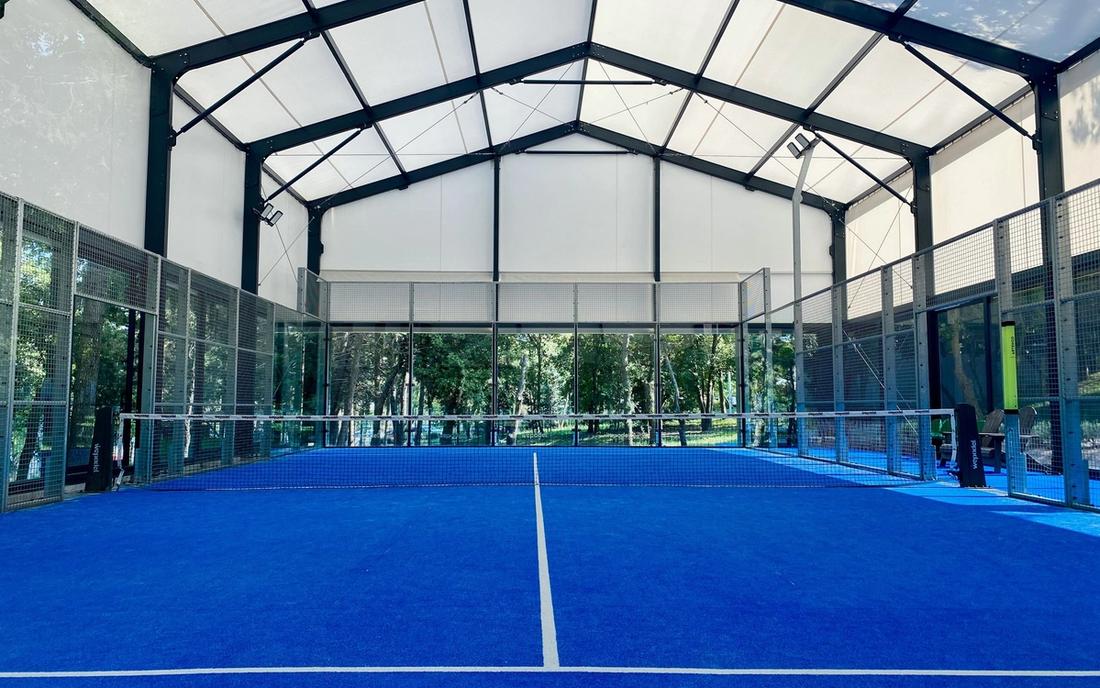
Padel kit for UK beginners: what to buy first
Which padel racket and shoes should a UK beginner buy? Racket shape and weight, court shoes, padel balls and real UK prices, plus what can wait for now.
Read more : Padel kit for UK beginners: what to buy first